






Key Takeaways
- Colds and flu share many symptoms, so it can be difficult to tell the difference between them based on symptoms alone.1
- Different OTC active ingredients help with different symptoms, including analgesics for fever and pain, expectorants and suppressants for cough, and decongestants or antihistamines for nasal symptoms.
- An OTC product that addresses multiple symptoms at once, like Theraflu, may make it easier to manage symptoms.

The medications you should be taking for cold and flu symptoms are the ones that will help you find relief for the specific symptoms you’re experiencing.
When you feel sick, it can be difficult to know what sort of medicine to reach for. Some symptoms may overlap, some feel worse at different times of day, and some medicines are designed to help with one issue while others are made to address several at once. That is why it helps to look at your symptoms first.
This guide is intended to help you understand which active ingredients in common cold medication and medicine for flu symptoms can best help you find relief.
Cold vs. Flu: Why Symptom Differences Matter
The common cold and the flu share many symptoms, so it can be difficult to tell what you’re experiencing. Both are contagious respiratory illnesses, but they are caused by different viruses.1
- The common cold often has a more gradual onset and may include a runny nose, sneezing, sore throat, congestion, and a mild cough.1
- Influenza (the flu) symptoms occur more abruptly and may be more likely to include fever, chills, body aches, fatigue, nasal congestion, headache, and a more intense cough.1
How to Match Symptoms to the Right OTC Active Ingredient
The right OTC medicine for treating your cold or flu depends on the symptoms you experience.
Fever
- Cold or Flu: Fever is more commonly associated with the flu, though some people with a cold may also experience it.1
- Active Ingredient Type: Analgesics provide pain relief and help reduce fevers. Common analgesics include Acetaminophen and NSAIDs.2,3,4
Headaches, Body Aches and Pain
- Cold or Flu: Body aches are a symptom most commonly associated with the flu1,2 but headache and a sore throat may occur with the cold and flu.2,3
- Active Ingredient Type: In addition to helping to lower fevers, analgesics provide pain relief to help manage head and body aches and pains. The most common analgesics in OTC medications for managing symptoms of the cold and flu are non-steroidal anti-inflammatory drugs (NSAIDs) and acetaminophen.2,3,4
Cough
- Cold or Flu: Coughing is associated with both the common cold and influenza.2,3 Both infections may initially start as a wet cough, which is intended to help remove excess mucus, but once the infection has passed, the cough may linger due to throat irritation and inflammation.5
- Active Ingredient Type: An expectorant can help to thin and loosen the mucus in your chest, making your coughs more productive. Guaifenesin is a common expectorant when treating the cold and flu.2,3,5
- Active Ingredient Type: A cough suppressant, also known as an antitussive, like Dextromethorphan, helps to calm your cough reflex.2,3,5 Antitussives are more commonly used with dry coughs.5
Nasal Congestion, Sinus Pressure, Runny Nose and Sneezing
- Cold or Flu: A runny or stuffy nose is a common symptom of both the cold and flu.2,3 The membranes that line your nasal passages become swollen due to irritation (possibly from constantly blowing your nose), which can make it hard for mucus to drain, leading to an uncomfortable, stuffed-up feeling.6
- Active Ingredient Type: Nasal decongestants help to narrow the swelling of the blood vessels in your nose, which opens your airways and makes it easier to breathe.7 Common nasal decongestants include Oxymetazoline HCL, which often appears as a nasal spray, and Pseudoephedrine.7
- Active Ingredient Type: Some OTC medications for cold and flu contain antihistamines, which may help reduce sneezing and runny nose. Medications containing antihistamines, like Diphenhydramine HCL, are often recommended for nighttime use only, as they can cause drowsiness.6
When to Talk to a Healthcare Professional
While the common cold and flu are not always severe, they are not without complications. Skip the OTC symptom relief and talk to a healthcare professional if you experience the following:2,3
- High fever
- Chest pain
- Difficulty breathing
- Fever while pregnant
- Lack of improvement in symptoms in 7 days
What OTC Medicines Can Help Cold and Flu Symptoms?
If you’re looking to manage your symptoms of the cold and flu at home, there are a range of OTC medicines that usually contain one or more types of active ingredients. By understanding which types of ingredients address which types of symptoms, you should feel better equipped to choose the product that works best for your needs.
But when you are dealing with multiple symptoms at once, look to Theraflu. Its range of products offers multi-symptom relief for cold and flu. Choose the product you need based on the symptoms you need to manage.
For example, if you’re experiencing a fever, a stuffy nose, head and body aches and a cough, choose a product like Daytime Theraflu-D Flu Relief Max Strength + Nasal Decongestant, to address each symptom with a combination of active ingredients, rather than trying to combine multiple medications.
By matching your symptoms to the right product and checking the label carefully, you can choose relief that fits how you feel.
Symptom to Solution: What to Take for Cold & Flu Symptoms
| Symptom | Cold, Flu or Both? | OTC Active Ingredient | How Theraflu Can Help |
|---|---|---|---|
| Fever | More common with flu1 | Analgesic | Many Theraflu products like the Theraflu Nighttime Soft Chews contain Acetaminophen as a pain reliever and fever reducer. |
| Body aches | More common with flu1 | Analgesic | Many Theraflu products like Theraflu-D Daytime Flu Relief Max Strength + Nasal Decongestion contain Acetaminophen as a pain reliever. |
| Headache | Both2,3 | Analgesic | Day/Night Flu Relief Max Strength Syrup Value Pack contains Acetaminophen as a pain reliever, which can help alleviate headaches. |
| Dry cough | Both2,3,5 | Cough suppressant | Some Theraflu products like the Nighttime Flu Relief Max Strength Syrup contain Dextromethorphan HBr which helps quiet the cough reflex. |
| Wet cough | Both2,3,5 | Expectorant | Theraflu Severe Cold Relief daytime syrup contains Guaifenesin, which helps thin mucus and promote productive coughs. |
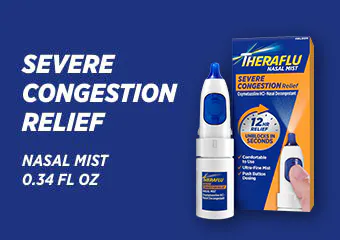
| Nasal congestion | Both7 | Decongestant | Theraflu-D products contain pseudoephedrine, a powerful oral decongestant. Theraflu Severe Congestion Nasal Mist contains Oxymetazoline HCL to provide relief for congestion. |
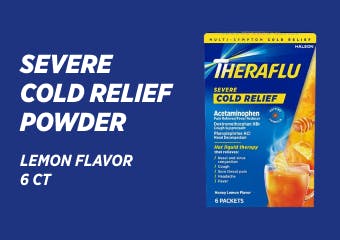
| Sore throat | Often cold, can be both1 | Analgesic | Nighttime Severe Cold Relief Honey Lemon Flavor Hot Liquid Powder contains Acetaminophen as a pain reliever. |
| Sneezing | More common with cold1 | Antihistamine | Some Theraflu products that are indicated for nighttime contain the antihistamine Diphenhydramine HCl like the Theraflu Nighttime Severe Cold and Cough Medicine helps relieves sneezing. |
Frequently Asked Questions
Recommended Articles

What are the Differences Between a Cold, the Flu and Allergies?
Learn the differences between a cold, the flu and allergies with these notes from Theraflu. Determine which one you might have based on your symptoms.

Sinus Problems Guide
Learn about the different types of sinus problems with Theraflu. Be on the lookout for signs of flu, cold, infection and other sinus issues.

What Causes Sneezing?
Learn how to stop sneezing, what it means when you sneeze, different causes & more. If your sneezes are caused by a cold or flu, Theraflu can help.

How to Prevent Frequent Colds
Learn more about frequent colds with Theraflu. Find out how to prevent frequent colds and get symptom relief fast.


